EUR
EUR

The biotechnological production cycle is 2 years

Gluten free

Lactose free

Mushrooms and yeast free

Suitable for diabetics

Swipe left/right

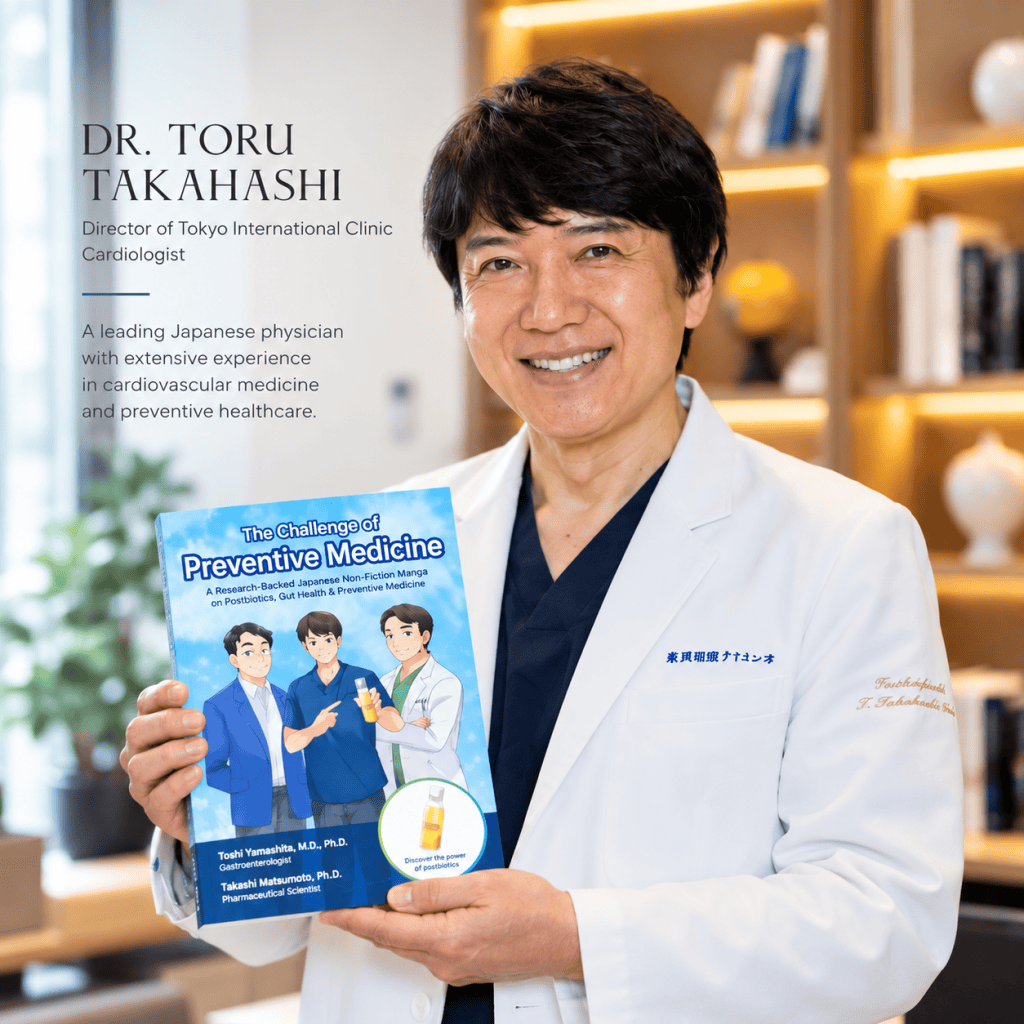
The Challenge of Preventive Medicine

Discover the Future of Preventive Medicine

đŸ‡ŻđŸ‡” Originally published in Japan

★ A Bestseller on Amazon Japan

Your microbiome. Your health. Your future.

Discover the fascinating world of bacteria, postbiotics and human health through an engaging Japanese non-fiction manga, now available in English.

Science Has Never Been So Easy to Understand.

Five discoveries.
A new perspective on health.

◎The Human Microbiome
✳The Science of Postbiotics
✚Gut Health & Immunity
∞Healthy Aging & Longevity
◇Preventive Medicine
Japan
Scientific heritage
Manga
Non-fiction
English
Language edition

Understand Your Body. Rethink Your Health.

Japanese non-fiction manga · English edition

Research-Backed Content Explore postbiotics, the gut microbiome and preventive medicine through science-based content.

Japanese Non-Fiction Manga
Complex scientific concepts presented through an engaging and accessible visual format.

Postbiotic Science
Discover the emerging role of microbial metabolites and postbiotics in human health.

We transfer 1% of your purchase to orphans to pay for their education

-
+

A research-backed Japanese non-fiction manga exploring postbiotics, gut health and preventive medicine through an accessible visual story.

Discover the relationship between the gut microbiome, microbial metabolites and human health, and learn why postbiotics are becoming an important area of modern preventive medicine research.

Ideal for:

— Readers interested in gut health and the microbiome
— Healthcare and wellness professionals
— Anyone discovering postbiotics for the first time
— Readers interested in preventive medicine and healthy longevity

Swipe left/right

The Challenge of Preventive Medicine introduces readers to the science of postbiotics and preventive health through the distinctive format of Japanese non-fiction manga.

Combining scientific concepts with visual storytelling, the book explores the relationship between the gut microbiome, microbial metabolites and human health while introducing the growing scientific interest in postbiotics.

Rather than presenting microbiome science as a conventional textbook, the book makes the subject approachable for a broader audience — from people discovering postbiotics for the first time to healthcare and wellness professionals interested in this rapidly developing field.

Topics include the gut microbiome, postbiotics, microbial metabolites, gut health and the principles of preventive medicine.

Digital Edition · English Language

The digital edition will be provided electronically after payment confirmation. No physical product will be shipped.

Explore the science behind postbiotics and discover how the gut microbiome and microbial metabolites influence human health. The book translates complex research into an accessible visual format, connecting microbiome science with gut health, immune function, metabolism, healthy aging and preventive medicine.

After payment confirmation, you will receive access to the digital English edition. Download the book to your preferred device and read it at your own pace. No special application is required to view the PDF file.

Postbiotics & Preventive Medicine
The Human Gut Microbiome
From Probiotics to Postbiotics
Microbial Metabolites & Human Health
Gut Barrier & Intestinal Health
Immunity & Inflammation
Metabolism & Cellular Health
Healthy Aging & Longevity
The Future of Preventive Medicine
Japanese Postbiotic Research & Clinical Perspectives

0
0 0

Thank you for choosing The Challenge of Preventive Medicine.

Designed to make the science of postbiotics, gut health and preventive medicine accessible through Japanese visual storytelling.

Welcome to a new way of understanding preventive health.

Product added to your cart!

Reviews

Load more

FAQ

Can the body become dependent on BIODONATUMÂź postbiotics?

No. BIODONATUMÂź does not cause habituation or dependence. Unlike probiotics, it does not contain live bacteria intended to temporarily colonize the gut. Instead, it provides a complex of ready-to-use bioactive metabolites naturally produced during an extended fermentation process.

These compounds support the body’s own microbiota, intestinal barrier, and natural metabolic processes rather than replacing them. Therefore, discontinuing BIODONATUM¼ does not cause a “withdrawal effect,” nor is there a need to progressively increase the dosage.

BIODONATUMÂź can be taken in courses or on a long-term basis, depending on individual needs and wellness goals.

What is Biodonatum?

Biodonatum is an organic dietary supplement from Japan, belongs to the class of postbiotic-microbiotic. The evolution of Probiotics development has led to the creation of Microbiotic, which are natural bioactive substances produced by probiotic microorganisms.

Our postbiotic-microbiotiis produced through a proprietary multi-step process that takes 2 years to complete. This process produces immune-supporting compounds and metabolites such as proteins, polyphenols, vitamins, minerals, amino acids, polysaccharides, fiber and other nutrients that nourish the body’s immune system, strengthening resistance and supporting well-being.

Biodonatum creates an ideal environment for the growth of your native beneficial intestinal bacteria, while blocking pathogenic microflora, helping to restore a healthy balance of intestinal microflora and proper functioning of the GI tract. The cellular material of bacteria included in Biodonatum helps to restore and strengthen the immune system.

Biodonatum begins to work directly on the mucous membrane. During passage through the gastrointestinal tract, 10 bi lion active microbiotic metabolites are activated and reach the pre-wal flora of the large intestine in 100% volume.

Why do the products have a high cost?

The cost of the product is determined by several factors:

  1. 100% bio production cycle in the protected area of Mount Fuji
  2. 80% of production is manual labor from the harvest stage to the stage of bacterial fermentation
  3. a unique production cycle that has been developed over 110 years and no one in the world can repeat it
  4. a unique composition in liquid sachet form
  5. a formula with 100% bioavailability
  6. it is due to such a long fermentation process that we obtain a unique composition containing bacterial cellular material and their DNA, more than 500 peptides, essential amino acids, fatty acids and all the necessary vitamins and microelements.

Does Biodonatum help after taking antibiotics?

Taking Postbiotic Biodonatum is recommended together with and after taking antibiotics. Clinical studies show that Postbiotic supports good bacteria and the intestinal microbiome during antibiotic therapy, reducing its damage and the negative impact of antibiotics on the overall health of the body.

Can Biodonatum be taken with other medicines?

Biodonatum is an additional supplement and functional food.

It has an organic composition that is compatible with other supplements and drugs.

In addition, clinical studies show that taking Biodonatum increases the bioavailability of drugs and increases their effectiveness.

It does not cause allergic reactions.

For diseases that involve long-term and complex therapy, we recommend that you consult with your doctor to include Biodonatum in the treatment regimen and select the dosage.

What is it Postbiotic-Microbiotic?

Postbiotic is a term derived from the Greek words “post”, meaning “after” and “bios”, meaning life.

That is, the life of the cellular material of bacteria after their natural death by fermentation.

Microbiotic – ancient Greek. ΌαÎșÏĂłÏ‚ – great, ÎČÎčÎżÏ„ÎčÎșĂłÏ‚ – life.

Microbiotic is a great and healthy life.

Health is harmony, balance between our internal and external environment, between mental and physical activity, between plant and animal foods, between heat-treated and raw foods.

Biodonatum is the source of a long and healthy life, filled with happiness and activity.

What is a GMP standard?

Good Manufacturing Practices (GMP, also referred to as ‘cGMP’ or ‘current Good Manufacturing Practice’) is the aspect of quality assurance that ensures that medicinal products are consistently produced and controlled to the quality standards appropriate to their intended use and as required by the product specification.

GMP defines quality measures for both production and quality control and defines general measures to ensure that processes necessary for production and testing are clearly defined, validated, reviewed, and documented, and that the personnel, premises and materials are suitable for the production of pharmaceuticals and biologicals including vaccines. GMP also has legal components, covering responsibilities for distribution, contract manufacturing and testing, and responses to product defects and complaints. Specific GMP requirements relevant to classes of products such as sterile pharmaceuticals or biological medicinal products are provided in a series of annexes to the general GMP requirements.

5 Key Components of Good Manufacturing Practices

  • Primary Materials and Products.
  • Premises.
  • People.
  • Procedures.
  • Processes.

What other documents confirm the quality of Biodonatum?

Biodonatum is approved by the Japan specific health purpose agency (FOSHU) and is certified organic.

FOSHU refers to foods containing ingredient with functions for health and officially approved to claim its physiological effects on the human body. FOSHU is intended to be consumed for the maintenance / promotion of health or special health uses by people who wish to control health conditions, including blood pressure or blood cholesterol. In order to sell a food as FOSHU, the assessment for the safety of the food and effectiveness of the functions for health is required, and the claim must be approved by the MHLW.

Where is Biodonatum manufactured?

Biodonatum is manufactured in Japan. The manufacturing plant B&S Corporation is located 90 kilometers southwest of Tokyo, in the town of Fujinomiya at the foot of Mount Fuji. The area is a national nature reserve, providing ideal environmental conditions for organic production. Production complies with the high international GMP standard and FOSHU.

How does Biodonatum care about the environment?

The production of BIODONATUM is 100% ecological and biotechnological, so it does not contain any colourings, sweeteners and flavour enhancers, sugar and gluten.

Our bio-bags are safe for the planet and BIODONATUM packaging is made from cardboard during production, which consumes fuel, electricity and carbon dioxide emissions 60% less than when producing other packaging materials. The Research Institute for Energy and the Environment (IFEU) has found that cardboard packaging has no greenhouse effect, does not deplete mineral resources and is completely biodegradable within three months. Cardboard also has a high energy potential. This may seem surprising to you, but the calorific value of 2 tonnes of cardboard corresponds to one tonne of crude oil and that is why cardboard packaging is used in many countries as a source of cheap thermal energy.

How does Biodonatum boost immunity?

Biodonatum enhances the intestinal barrier function, as well as cellular and humoral immunity. Active metabolites of Biodonatum activate monocytes and macrophages.

How does the Postbiotic-Micribiotic Biodonatum affect the microbial population in the gut?

The postbiotic Biodonatum has a beneficial effect on the host microbiota through three potential mechanisms. First, the bacteriocins in the composition inhibit the growth of pathogens. Second, Biodonatum indirectly modulates the intestinal environment by introducing organic acids, thereby influencing the pH level, creating conditions conducive to the growth of beneficial microorganisms, while preventing the spread of pathogens. Third, Biodonatum includes structural components such as fimbriae and lectins that enhance adhesion to certain sites, thereby promoting the creation of beneficial microbial populations. One of the notable characteristics of Biodonatum is its ability to retain antimicrobial activity. During fermentation, bacteria produce antimicrobial molecules that are present in Biodonatum as cell lysates and metabolites.

Can the Postbiotic-Microbiotic Biodonatum alleviate digestive problems?

Biodonatum is very effective in the correction, prevention and treatment of gastrointestinal diseases.

Numerous clinical studies show its effectiveness.

Biodonatum is used for diarrhea associated with antibiotics, irritable bowel syndrome (constipation, diarrhea, bloating), inflammatory bowel disease, Crohn’s disease and ulcerative colitis, traveler’s diarrhea, gastroenteritis, stomach cancer, celiac disease (gluten intolerance) and metabolic syndrome.

One of its notable properties is the suppression of the growth of the Helicobacter Pylori bacteria.

Biodonatum also affects intestinal motility and promotes the absorption of intestinal electrolytes.

What microorganisms are contained in Biodonatum?

Biodonatum is a source of billions of low-molecular bioactive substances, which are called active metabolites of probiotic bacteria.

As a result of a long fermentation cycle of probiotic bacteria, Biodonatum does not contain living bacteria, but does contain . cellular material, structural enzymes, cell walls and their DNA. Bacteriocins, short-chain fatty acids, nucleic acids and organic acids.

Teichoic acids, lipo- and glycoproteins.

Biosurfactants polysaccharides and exopolysaccharides.

Proteins, including enzymes and lectins, peptides with various activities. Peptidoglycans.

Amino acids: histidine, valine, isoleucine, leucine, theonine, phenylalanine.

Molecules similar to defensin.

Plasmalogens.

Vitamins and microelements B, C, PP, K2, folic acid, potassium, silicon, magnesium, phosphorus. The composition of Biodonatum is confirmed by metabolomic analysis.

What are the advantages of Postbiotic-Microbiotic Biodonatum over Probiotics?

Biodonatum as a modifier of physiological functions, biochemical and behavioral reactions has the following advantages:

  • Precise chemical structure
  • Precise dosage
  • Safety
  • Long shelf life

Biodonatum has better absorption, metabolism, distribution and excretion abilities compared to probiotics.

Should you take Biodonatum for the prevention of intestinal diseases?

Daily intake of Biodonatum is a powerful preventative measure against various seasonal, age-related and inflammatory diseases.

The active metabolites in Biodonatum begin to work immediately and are gradually activated over the next 6 hours, releasing anti-inflammatory cytokines in the intestines. They affect various types of immune cells, including dendritic cells, monocytes, natural killer cells (NK), macrophages, lymphocytes and epithelial cells.

It should be noted that Biodonatum does not introduce any bacterial strains into your body, it is a natural source of nutrition for your unique microbe, maintaining its diversity and preventing diseases.

Does Biodonatum contain additional ingredients?

Biodonatum has a 100% natural BIO composition and does not contain any additional elements or flavor enhancers.

Biodonatum is a kosher product, as it does not contain animal fats.

It is produced without GMOs, without mushrooms and yeast.

Suitable for diabetics.

Does not contain gluten.

Suitable for people with allergies.

Does not contain sugar.

Has the effectiveness and safety of the product been proven?

Biodonatum has many clinical studies conducted in Japan, Europe, and the USA. In Japan, Biodonatum is a strategic product for the health and longevity of the Japanese nation and is included in the standards for the treatment and prevention of various diseases. It is used in more than 1000 clinics.

In the USA and Europe, studies were conducted on cells in the leading Life Lenghts laboratory.

We also have independent studies by doctors, which you can learn about in the studies section or on our Instagram account.

Thus, Bidonatum has a high efficacy and safety profile and is considered evidence-based medicine.

Is there a possibility of side effects or allergic reaction to Biodonatum?

Postbiotic Biodonatum is absolutely safe and does not cause allergic reactions, but on the contrary successfully neutralizes them. Biodonatum is also safe for people with weakened immunity, unlike probiotics.

How often should I take Biodonatum?

Taking Biodonatum depends on your goal: prevention and support of the body, use for the treatment of a disease in mono or complex therapy, rehabilitation after an illness.

For disease prevention, as well as to support the health of the microbiome and the body, it is recommended to take 1 to 3 sachets per day.

For the treatment of diseases in mono or complex therapy, the recommended intake is 3 to 6 sachets per day.

For rehabilitation and recovery after diseases, it is recommended to take 1 to 3 sachets per day.

Biodonatum is recommended to be taken in a course of 8-12 weeks.

You can use Biodonatum: orally, by skin applications, by douching.

To select a scheme, method and duration of the course, please consult with your doctor.

Is a special diet required when taking Biodonatum?

You do not need any special diet when taking Biodonatum.

Biodonatum will adjust your food diary and correct your diet.

How will it do this?

Active metabolites of Biodonatum will regulate metabolic processes, increase the growth of good bacteria and absorption of vitamins, macro and micro elements from food, increase protein saturation and energy levels.

Is Biodonatum safe for pregnant and breastfeeding women?

Current data indicate that Postbiotic Biodonatum is systemically used by pregnant women and during lactation. In one meta-analysis and several randomized controlled trials conducted with women during the third trimester of pregnancy, no side effects or negative effects on the health of the woman and the child were found.

Biodonatum is considered safe and well tolerated.

Biodonatum can be taken during pregnancy, both orally and vaginally.

During lactation, it does not enter breast milk.

Can Biodonatum be used for weight loss?

Postbiotic Biodonatum exerts an anti-obesity effect through several mechanisms, the main ones being an increase in energy expenditure, a decrease in adipogenesis and adipocyte differentiation, suppression of food intake, inhibition of lipid absorption, regulation of lipid metabolism and regulation of intestinal dysbiosis.

Biodonatum is a new direction of dietary intervention that is particularly effective in the prevention and treatment of obesity.

Can Biodonatum be taken together with probiotics?

You can use Postbiotic Biodonatum together with Probiotic if you want to add any probiotic live strain of bacteria to your body and get faster growth of this bacteria in your microbiome, while leveling the side effects of Probiotic.

We recommend using Probiotic before bed and after meals, and Biodonatum before breakfast and at lunch.

Our recommendations are based on the fact that active growth of intestinal microflora occurs at night, taking Postbiotic Biodonatum will create favorable conditions for taking Probiotic.

How long do I need to take Biodonatum to see results?

6 hours after taking – activation of active metabolites in the body

  • Improves defecation
  • Constipation goes away
  • Digestion improves
  • Travel-related diarrhea goes away
  • Flora is normalized by reducing the number of pathogenic (putrefactive) bacteria

2 weeks of taking

  • Stomach function improves
  • Growth of normal flora and suppression of pathogenic
  • Immunity cells macrophages are activated
  • The effect of leaky gut is reduced
  • The antioxidant effect exerted by good bacteria on the intestinal walls begins to manifest, namely the growth of enterocytes and colonocytes

4 weeks of taking – bloating and abdominal pain completely disappear, chronic diarrhea goes away, quality of life improves

  • Intestinal peristalsis improves
  • Skin condition improves: moisture, elasticity
  • Acne disappears
  • Stimulation of phagocytosis
  • Activation of interleukin 1 and endogenous interferon

6 weeks of use – the severity of conditions in autoimmune diseases (atopic dermatitis, eczema) is significantly reduced

  • Bad breath disappears
  • Oral microbiome health is restored
  • Activation of interleukin 1 and endogenous interferon

8 weeks of use – due to the short-chain fatty acids in the composition, the level of butyrate in the body increases and clinical improvements and remission occur in 53% of people who have ulcerative colitis or Crohn’s disease. Improves skin condition: hydration, elasticity, reduces wrinkle depth

  • Restores vaginal microbiome health
  • Restores sleep-wake balance
  • Detoxifies the body

12 weeks of use – reduces the risk of respiratory infection and improves their ability to produce antibodies that help protect the body from harmful bacteria and toxins

  • Increases telomere length
  • The cell is 3 times stronger. Membrane stabilizing function.
  • Decreases blood pressure by suppressing genes that produce cholesterol
  • Butyrate levels help control blood sugar levels
  • Suppresses the growth and spread of cancer cells
  • Increases vital energy levels
  • Apathetic, depressive states go away
  • The body recovers in less sleep
  • Improves skin texture, wrinkles become less deep
  • Improves vitamin synthesis
  • Increases cellular and humoral immunity
  • Activation of secretory IgA.
  • Activation of T and B lymphocytes.
  • Improved metabolism
  • Loss of excess weight
  • Establishing a food diary
  • Increased production of anti-inflammatory interleukins IL-4, IL-10, TRF.

6 months of use

  • Helicobacter pylori levels are reduced to normal
  • Due to the different duration of the cell renewal cycle in the body, the effect and cell renewal continue – Membrane stabilizing function.
  • Telomeres +60%
  • Antioxidant protection of the body
  • Protection of the body from protein glycation
  • Increased plasmalogen levels
  • Neutralization of beta amyloids and protection from neurodegenerative diseases
  • Neutralization of internal inflammatory processes
  • Neutralization of chronic, recurrent diseases
  • Launching a constant process of autophagy – cleansing the body of cellular debris
  • Increased polyamine levels

Can the Postbiotic Biodonatum help with irritable bowel syndrome?

Biodonatum has proven clinical efficacy in irritable bowel syndrome.

Postbiotic Biodonatum will restore the microbiome by eliminating pathogenic bacteria and fungi that cause this disease.

Biodonatum contains metabolites of short-chain and long-chain fatty acids that help your microbiome produce butyrate, which works systemically in the human body and is an excellent nutraceutical for leveling the symptoms of IBS.

Can Biodonatum prevent dysbiosis?

Biodonatum is designed to prevent dysbiosis.

It nourishes your microbiome and does not allow pathogenic flora to develop, suppressing its growth.

Protects your body from the effects of toxins from the environment.

Supports the bacteria-cell axis, which means it maintains hormonal balance, which makes you happier and more stress-resistant.

If you are flying on vacation or on a business trip, we recommend that you take Biodonatum with you and drink water only with Biodonatum, since a change in climate and time zones entails a change in the bacteria that surround you, especially water.

Biodonatum is a reliable protection against dysbacteriosis of any origin.

Can children take Biodonatum?

Studies have shown that the intestinal microbiota of a child develops well beyond the first three years of life, acquiring its final composition only after puberty.

Thanks to the symbiotic action between beneficial colonizing bacteria, the intestinal epithelium and the associated lymphoid system, the infant’s intestine matures after birth, improving its barrier functions and immunological regulation in the first stages of life.

Postbiotic Biodonatum is indicated for use by children from 0 years of age, as it has a local anti-inflammatory, immunomodulatory and antimicrobial effect on pathogenic strains.

Postbiotic Biodonatum is completely safe and effective for children. Its use as a supplement in seriously ill patients, such as premature babies, does not pose a risk in terms of bacterial translocation and induction of bacterial resistance.

Is Biodonatum recommended for oral microflora disorders?

The oral cavity plays a crucial role in digestion and immune defense.

This means that maintaining oral health is essential.

Postbiotic Biodonatum has an increased antibacterial potential with stable viability, as the liquid form works perfectly on the oral mucosa, protecting the body from the penetration of pathogens and viruses.

Biodonatum restores the oral microbiome in the form of a biofilm, which regulates oral homeostasis, oral immunity, digestion, detoxification, eliminates inflammatory processes and participates in disease prevention.

You need to rinse your mouth 3 times a day after eating Bidonatum and then swallow.

Biodonatum is oral health.

How to store Biodonatum?

The product should be stored in a dry, protected from sunlight, cool place at room temperature, between 0° and 25°C.

Can Biodonatum be taken after meals?

For maximum effectiveness, we recommend taking Biodonatum 20-30 minutes before meals.

If you want to take Postbiotic Biodonatum after meals, we recommend you wait 2-3 hours.

Is Biodonatum compatible with alcohol?

Yes, it is. Taking Biodonatum will help to mitigate and minimize the destructive effect of alcohol on the beneficial intestinal microflora, as well as contribute to the rapid elimination of toxins from the body

Will Biodonatum help with Crohn's disease?

Crohn’s disease (CD) is a chronic inflammatory disease of the gastrointestinal tract, in which pathogenesis is believed to be partially dependent on the intestinal microbiome.

Postbiotic Biodonatum is used in the complex therapy of this disease to manipulate the microbiome and is therefore a significant part of the therapy.

Biodonatum restores the population of beneficial probiotic bacteria, has an anti-inflammatory effect, stimulates the production of short-chain and long-chain fatty acids necessary for the body to fight the disease, and strengthens the integrity of the intestinal barrier.

Biodonatum is also recommended for use in the remission phase of the disease or postoperative relapse.

How and why can Postbiotic Biodonatum be taken in cosmetology?

With the help of Biodonatum it is possible to:

  • Affect the regenerative potential of the organism without affecting the proliferation of clients, i.e. safely.
  • Restore natural, cellular immunity and antioxidant protection of the organism.
  • The use of Biodonatum in cosmetology allows to restore the natural balance of the most important systems and organs. The resulting aesthetic effect is a reflection of the restored hemostasis of the organism.

The procedure of applying the Biodonatum composition to the skin and oral administration contributes to:

  • Increasing skin tone.
  • Activation of metabolic processes.
  • Improving the color and structure of the skin.
  • Lifting.
  • Elimination of swelling and post-stress.
  • Removal of inflammatory processes and accelerated regeneration of the skin.

What % of probiotics are absorbed in the intestines?

Less than 0.0001% of the probiotic is absorbed in the intestines.

In other words, Probiotics have very low bioavailability.

Some of the ingested bacteria contained in the probiotic die during their passage through the gastrointestinal tract. On average, only one microbial cell in 1,000,000 reaches the colon, the main habitat of normal flora.

Probiotics are made from “universal” production cultures of microbes. They may be incompatible with individual bacterial cultures for each individual.

Probiotic cells can be killed by most antibiotics, and some of them are involved in the transfer of antibiotic resistance genes.

There is evidence that some probiotic bacteria can cause various diseases.

What is the bioavailability of Biodonatum postbiotic-microbiotic?

Biodonatum Postbiotic-Microbiotic has 100% bioavailability, active metabolites reach the intestines unchanged.

They do not conflict with a person’s microbiota.

They are in active form and begin to act immediately when they enter the gastrointestinal tract.

What are the main properties of Biodonatum Postbiotic-Microbiotic?

Immunomodulatory property.

Anti-inflammatory property.

Antiallergic: activation of macrophages and reduction of the effect of intestinal leakage, which in turn leads to skin quality and therapeutic effect against eczema and neurodermatitis.

Antioxidant effect: effect on the intestinal walls, i.e. colonocytes and enterocytes, stabilization of telomere length and prevention of cancer.

Membrane stabilizing effect: normalization of the flora by reducing the number of putrefactive bacteria.

How does Biodonatum Postbiotic-Microbiotic work for cancer patients?

Modern world protocols now include additional “weapons” like postbiotics, because it is the correction of the microbiome that allows restoring the axis between good bacteria and cells, “restores” immune cells from macrophages to T-killers and provides effective antitumor treatment, i.e. the body’s response to therapy. With age, bacterial diversity declines sharply and clinical studies in postmenopausal women have shown a direct relationship between breast cancer and the predominance of pathogenic flora in the gut.Among the estrogen-independent pathways affecting breast cancer, bacterial metabolites derived from fiber fermentation, bile acid metabolism, lipid metabolism, and cholesterol metabolism/elimination directly or indirectly inhibit tumor cell proliferation and differentiation.A well-known mechanism by which the gut microbiota influences cancer growth is the production of short-chain fatty acids (SCFAs), such as acetate, butyrate, and propionate, which are the major metabolites produced by intestinal microbial fermentation of insoluble dietary fiber and are important metabolites for maintaining intestinal homeostasis by modulating various aspects of intestinal epithelial cells and leukocytes. They are usually taken up by colonocytes as an energy source, but also act as regulators in cells via direct activation of G-protein coupled receptors (GPRs) and inhibition of histone deacetylases (HDACs). Simply put, we are still lacking short and long chain fatty acids in our diet and need to be added to the diet so that immune cells can cover mutations, including the development of cancer cells. Regulation of inflammation is another mechanism that links the gut microbiota to tumor growth; any internal inflammation starts in the gut and can be suppressed by the microbiota, which will stop the tumor from growing. The mammary glands have their own microbiome and the bacteria that inhabit them. Live bacteria exist in cancer cells and immune cells in the tumor microenvironment. In addition, a recent study has shown that the intracellular microbiota residing in the tumor promotes cancer aggressiveness and metastatic colonization by participating in the reorganization of the actin cytoskeleton of tumor cells, thereby increasing their resistance to fluid shear stress upon entry into the systemic circulation.

What does Biodonatum postbiotic-microbiotic do:

  1. It restores the diversity of the good microbiota and suppresses the pathogen.
  2. It restores the intestines from the inside and affects all parts of immune cells.
  3. It ensures the bioavailability and efficacy of therapy.
  4. A healthy intestinal microbiota can influence the effectiveness of treatment by directly influencing drug metabolism or shaping the host’s immune response to treatment.

How does Biodonatum Postbiotic-Microbiotic work in gynecology in chronic diseases and endometriosis?

Clinical studies conducted on women have shown that the microbiotic has a protective effect against endometriosis by suppressing inflammation and the development of ectopic endometrial cells.

Douching with Biodonatum relieves internal inflammation and restores the vaginal flora.

Taking Biodonatum orally suppresses the growth of pathogenic flora.

With the help of Biodonatum Postbiotic-Microbiotic, you can treat and prevent vaginal infections (vaginitis, bacterial vaginosis, fungal infections) and their relapses by douching for 14 days.

How to take Biodonatum Postbiotic-Microbiotic for children of different ages?

Newborns: with artificial feeding, malnutrition and exhaustion, with a deficiency of digestive enzymes, with taking antibiotics and other medications, with hormonal treatment, with dysbiosis of the gastrointestinal tract, intestinal colic, with the development of pathogenic flora in the intestines, infectious processes in the digestive organs, inflammation of the colon mucosa, enterocolitis, intestinal dysfunction, allergic reactions associated with skin or intestinal lesions, diseases of the oral cavity, constipation, helicobacteriosis, infectious and inflammatory diseases of the respiratory and genitourinary systems.

Biodonatum is taken 3 times a day according to the following scheme: in the morning, in the middle of the day and before bedtime before meals or during meals with a small amount of liquid up to 5 ml (except milk) 15-30 drops per dose or 0.5 ml.

After improvement of the condition, the daily dose can be changed; a 12-week course of treatment is recommended.

To restore microflora in children of the first year of life.

It is recommended to start taking Biodonatum with a minimum dose of 15-30 drops 3 times a day, for 10-14 days. When Biodonatum is prescribed for prophylactic purposes, its daily dose for children should be 15-30 drops 1-2 times a day.

After a year, the dosage increases: up to 5 years from 2.5 ml to 5 ml 1 time per day; over 5 years: from 5 ml to 5 ml 2 times a day.

The course of treatment with Biodonatum is 2-3 months.

When introducing complementary foods, Biodonatum will help the child’s digestive system to move to a new level. It is recommended to administer Biodonatum in an age-appropriate dosage one week before the introduction of complementary foods.

Early transition to artificial feeding. Children fed with formula are not given breast milk containing bifidogenic factors.

It is recommended to increase the frequency of taking Biodonatum. The duration of the first course of administration is also 2-3 months at the age-appropriate dosage. In addition, during the first year of life, it is recommended to take 4 additional courses of 4 weeks at an interval of 2 months.

The period of adaptation of a child in a preschool educational institution and school.

To activate the body’s adaptive abilities, it is recommended to take Biodonatum 2 weeks before entering a preschool educational institution or school for 2-3 months.

How to take Biodonatum Postbiotic-Microbiotic for children with autism?

In children with autism, the composition of the intestinal microflora is not typical for healthy children, that is, the composition of the flora is very different. The study also identified types of bacteria that synthesize substances that negatively affect the immune system and the brain: they cause an immune system response and increase inflammation. The next stage of ongoing research, the results of which we are waiting for, concerns the relationship between intestinal bacteria, their by-products and the risk of developing autism.

Many studies have already shown that diseases of the digestive tract are among the characteristic signs of autism spectrum disorders. Autistic children usually have several problems: abdominal pain, constipation, diarrhea, and flatulence. Another study found that children with autism suffered from leaky gut syndrome. This is a condition that can trigger an over-response of the immune system and inflammation that can reach the brain. calf. High levels of the pro-inflammatory molecule LPS have been observed in patients with severe autism. These molecules should not enter the bloodstream, but this is due to a violation of the integrity of the intestinal wall. 93% of autistic patients have hypertrophy of lymphoid tissue. As we can see, many processes occur in the intestine of autistic patients, which tells us that the intestinal bacterial flora of autistic patients is very different from that of healthy people.

The thesis about the relationship between excessive growth of pathogenic bacteria and autism was put forward in 2000 by Richard Sandler. This is the first study to prove that a disturbance of the intestinal flora can cause autism and that restoring the normal balance of the intestinal flora can significantly reduce the symptoms of autism.

In autistic patients, the intestinal microflora is dominated by bacteria of the class Clostridia, which are a very dangerous bacteria. This bacterium produces propionic acid, which is toxic to the brain and also promotes intestinal permeability by weakening the tight junctions that hold the cells of the intestinal wall together. When the integrity of the intestinal wall is disrupted, propionic acid molecules can easily enter the bloodstream, where they trigger the inflammatory process and activate the immune system response. Propionic acid also disrupts the cell signaling system, disrupting the intercellular communication process. The brain’s ability to use energy is impaired. This acid is also dangerous because it reduces the level of omega-3 fatty acids necessary for normal brain function and increases oxidative stress. In the United States, leading doctors have proposed the use of nutritional supplements containing the necessary biomolecules for autistic patients. Among the elements suggested for autistic patients are L-carnitine, an amino acid important for brain function, omega-3 fatty acids, as well as N-acetyl and L-cysteine, which increase the synthesis of glutathione. Glutathione is a major antioxidant for the brain and helps control oxidative damage and inflammation. To restore the balance of intestinal microflora as necessary nutrition, modern doctors widely use the Japanese biotechnological supplement Biodonatum in their daily clinical practice. As we said earlier in this article, people with autistic disorders have the following health problems: weakened Th1 Th2 immunity; malnutrition and, as a result, vitamin and mineral deficiency; violation of antioxidant protection; detoxification disorder; overgrowth of yeast and bacteria; leaky gut syndrome. Biodonatum is recommended for the complete elimination of these problems. Biodonatum will restore natural immunity, replenish vitamin deficiencies, restore antioxidant protection, increase the growth of its own beneficial microflora and reduce the growth of yeast and pathogenic bacteria, and due to a large number of more than 500 active metabolites, it will “close” the penetration of pathogenic microorganisms through a leaky gut.

Biodonatum should be taken 3 times a day according to the following scheme: 1 sachet of 5 ml with 30 ml of water at room temperature 20 minutes before meals, in the middle of the day 1 sachet of 5 ml with 30 ml of water at room temperature during meals and in the evening 1 sachet of 5 ml with 30 ml of water at room temperature 20 minutes before bedtime.

A course of treatment is recommended 2 times a year in the fall for 12 weeks and in the spring for 12 weeks.

What are prebiotics?

Prebiotics are food components that are not digested or absorbed in the upper gastrointestinal tract, but are fermented by the microflora of the human large intestine and stimulate its growth and vital activity.

The use of prebiotics can also be associated with some side effects. Thus, para-aminobenzoic acid and lysozyme, components of some prebiotics, affect blood clotting, which is undesirable in the presence of thrombosis.

They have a low bioavailability of less than 1%.

When taking Prebiotic, you often encounter the problem of bloating and gas formation.